Search filter


 Clear filters

Department 4 Geosystems

Got 54 results.
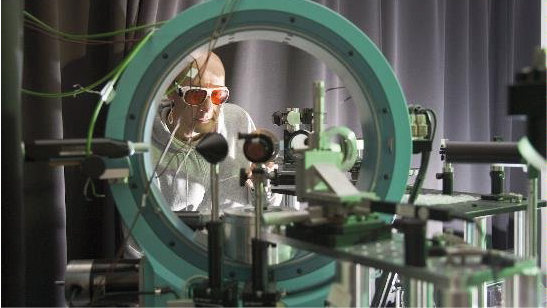
Brillouin-Interferometry

Brillouin-Interferometry

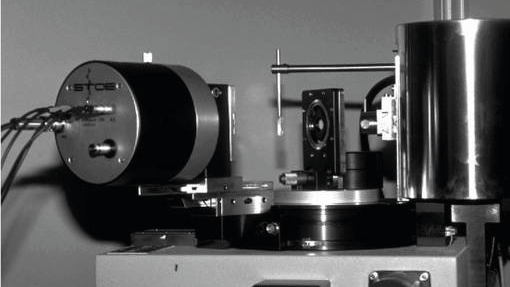
Knowledge of the elastic properties of geomaterials at high P-T conditions plays a central role in determining the composition of the Earth's interior. The Brillouin interferometer at the GFZ Helmholtz Centre for Geoscienc…

Electronic Laboratory for Geophysical Exploration Systems

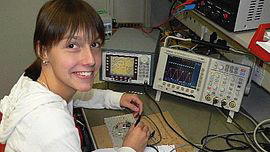
The development of geophysical exploration systems with high resolution for underground applications and mobile operation on the surface implicate many interesting problems to be solved with electronics. That is, design and programming of radio-cont…
Experimental Rock Deformation Laboratory

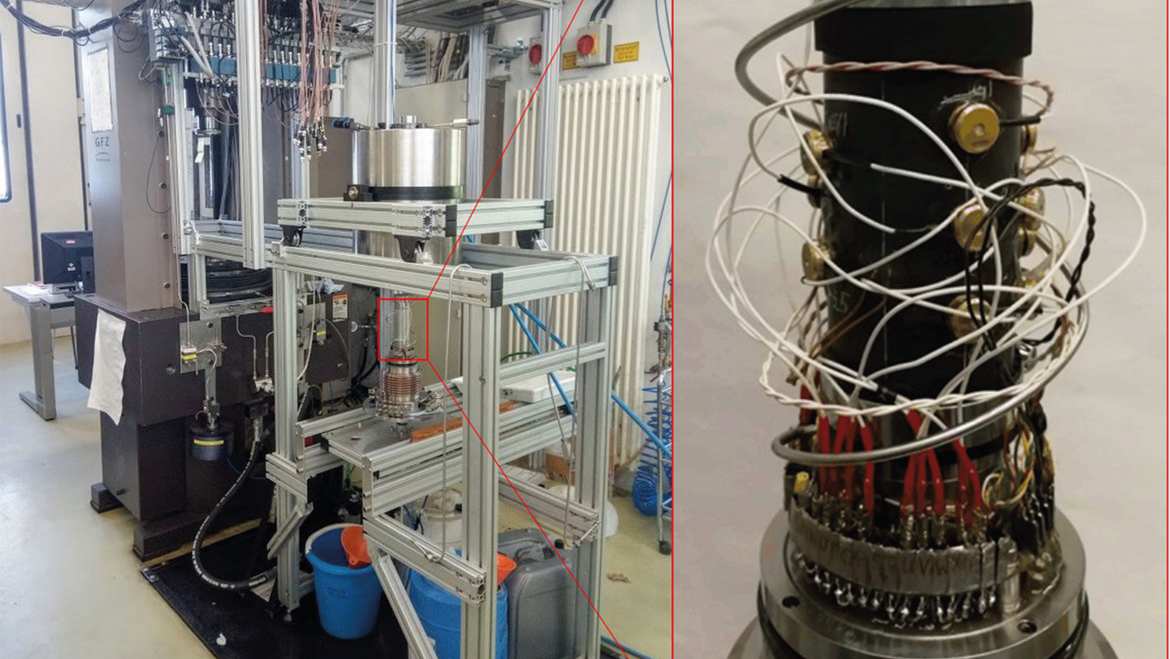
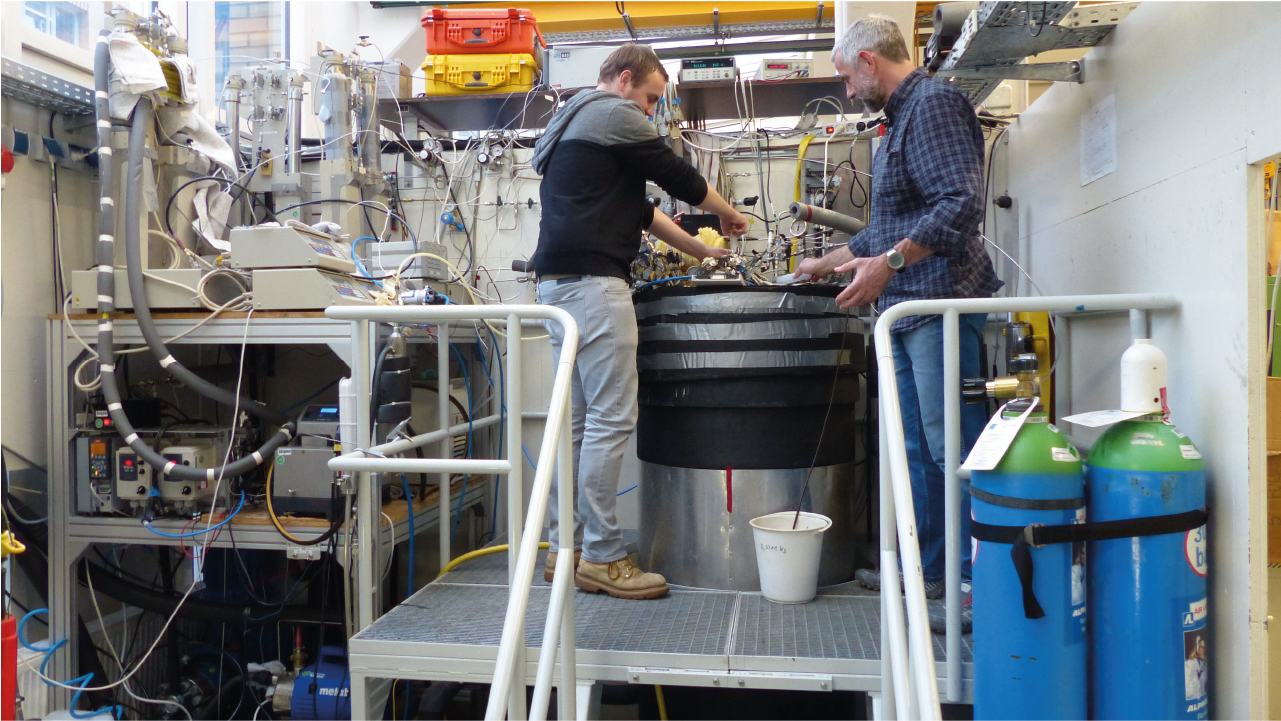
For rock deformation experiments we handle different apparatuses, allowing to perform brittle (low temperature) tests on large rock samples (MTS servo-hydraulic press) and high temperature (ductile) experiments on small samples (Paterson-type gas de…

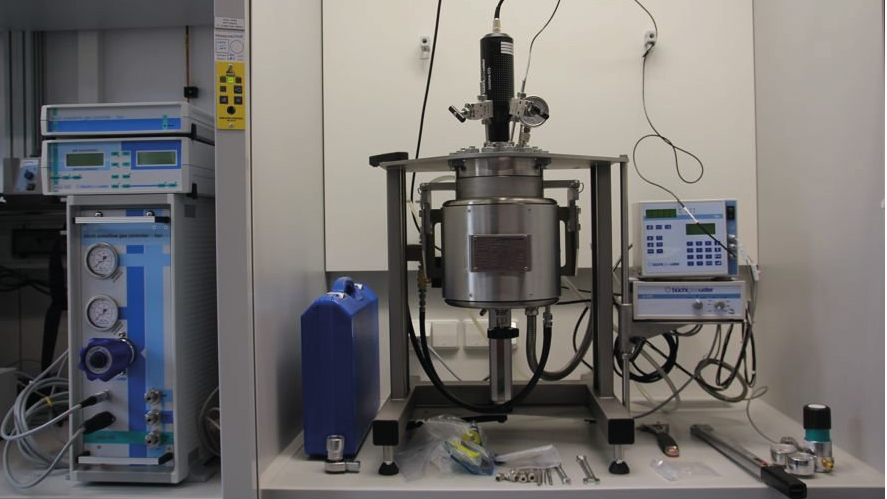
Experimental Simulation of Reservoir Processes (LARS)

LARS is large volume experimental apparatus for the investigation of anthropogenic induces and natural occurring reservoir processes under simulated in situ conditions in the lab. The sediment sample has a diameter of 0.45m and a length of 1.35m. Th…

FLECAS-HT

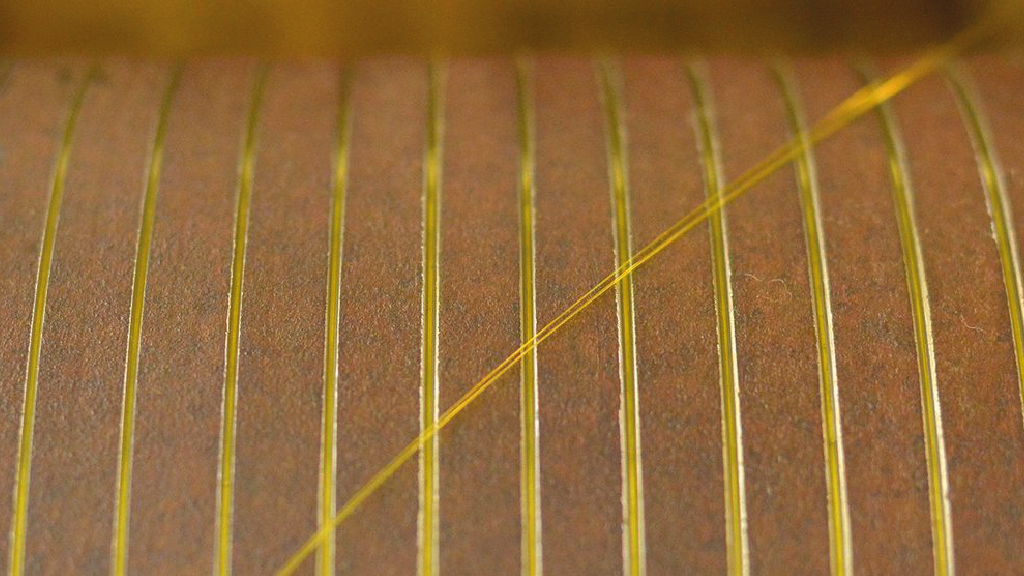
FLECAS-HT is a unique flow-through system enabling the simultaneous measurement of permeability and electrical resistivity (co-axial 4-electrode arrangement) on rock cylinders with a diameter of 30 mm and a length of 75 mm at temperatures of up to 5…

Fiber-optic Sensing

Optical fibers are well suited for deployment in boreholes as they can tolerate harsh environments, i.e. high pressures and temperatures, or strongly corrosive media, and are immune to electromagnetic interference.

The following devices are availa…

Fluid Monitoring Lab

The lab contains devices that can be used to monitor chemical and physicochemical parameters in natural and synthetic geothermal fluids. For instance,

Fluid-Monitoring System „FluMo“

A versatile fluid-chemical monitoring unit (“FluMo”) has been de…

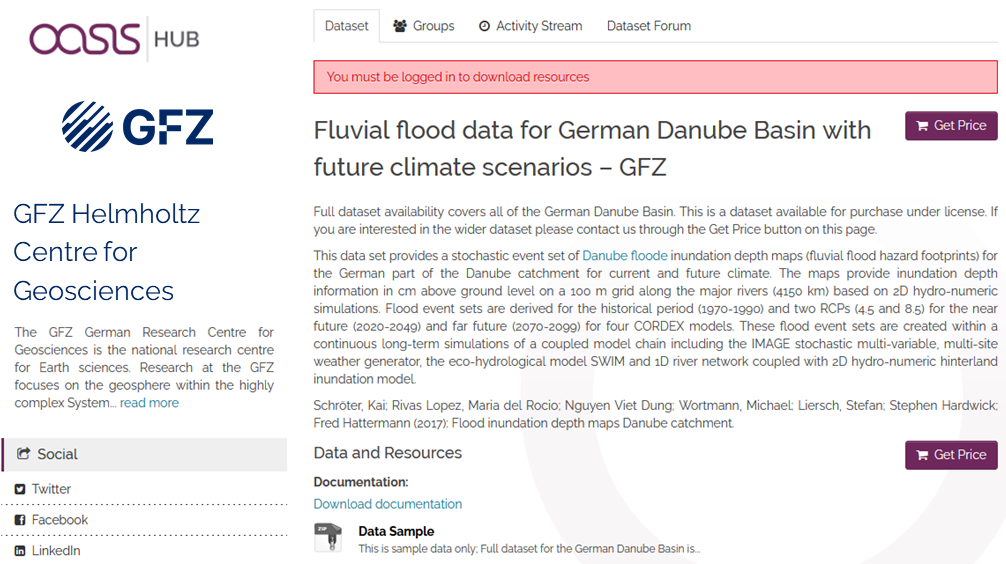
Fluvial inundation maps for the German Danube basin with future climate scenarios

This data set provides a stochastic event set of flood inundation depth maps (fluvial flood hazard footprints) for the German part of the Danube catchment for current and future climate in GEOTIFF format..

The maps provide inundation depth informati…

GFZ-Underground-Lab “Reiche Zeche” in Freiberg

The use of high-resolution geophysical exploration systems, developed by the HGZ Helmholtz Centre for Geosciences, for underground applications at tunneling and within boreholes requires a high demand due to safety and operational reliability. The G…

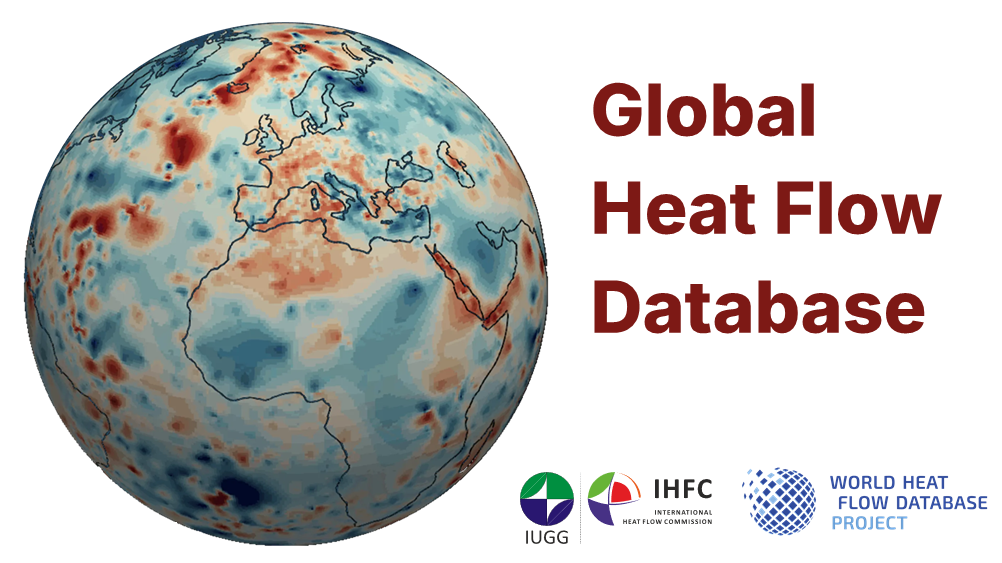
GHFDB - Global Heat Flow Database

The GFZ supports the work of the International Heat Flow Commission (IHFC) of the IASPEI by providing thematic and technical support for the global heat flow database. We develop a new research data infrastructure for the IHFC Global Heat Flow Datab…

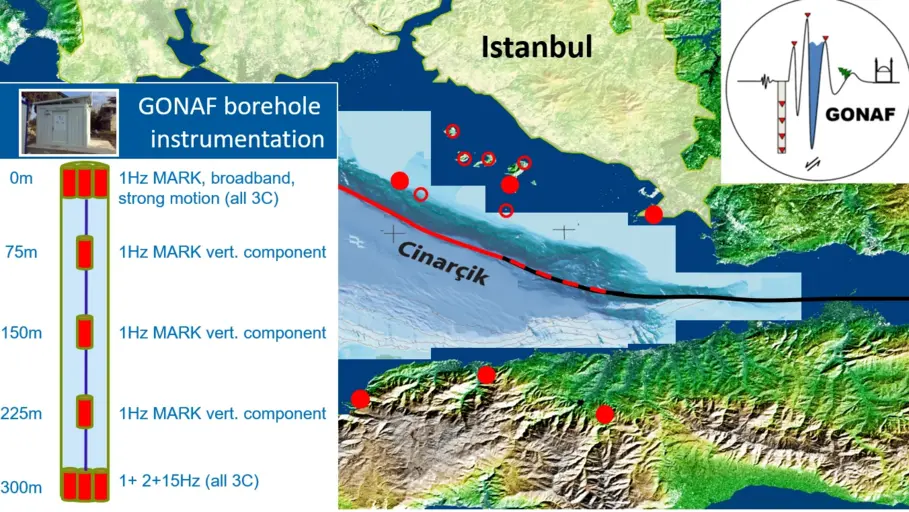
GONAF - Geophysical Observatory at The North Anatolian Fault

GONAF (Geophysical Observatory at the North Anatolian Fault) is a combined surface and downhole based observatory to measure tectonic deformation transients (seismic and aseismic) along the overdue Marmara segment of the North Anatolian Fault Zone (…
Geothermal Research Platform Groß Schönebeck

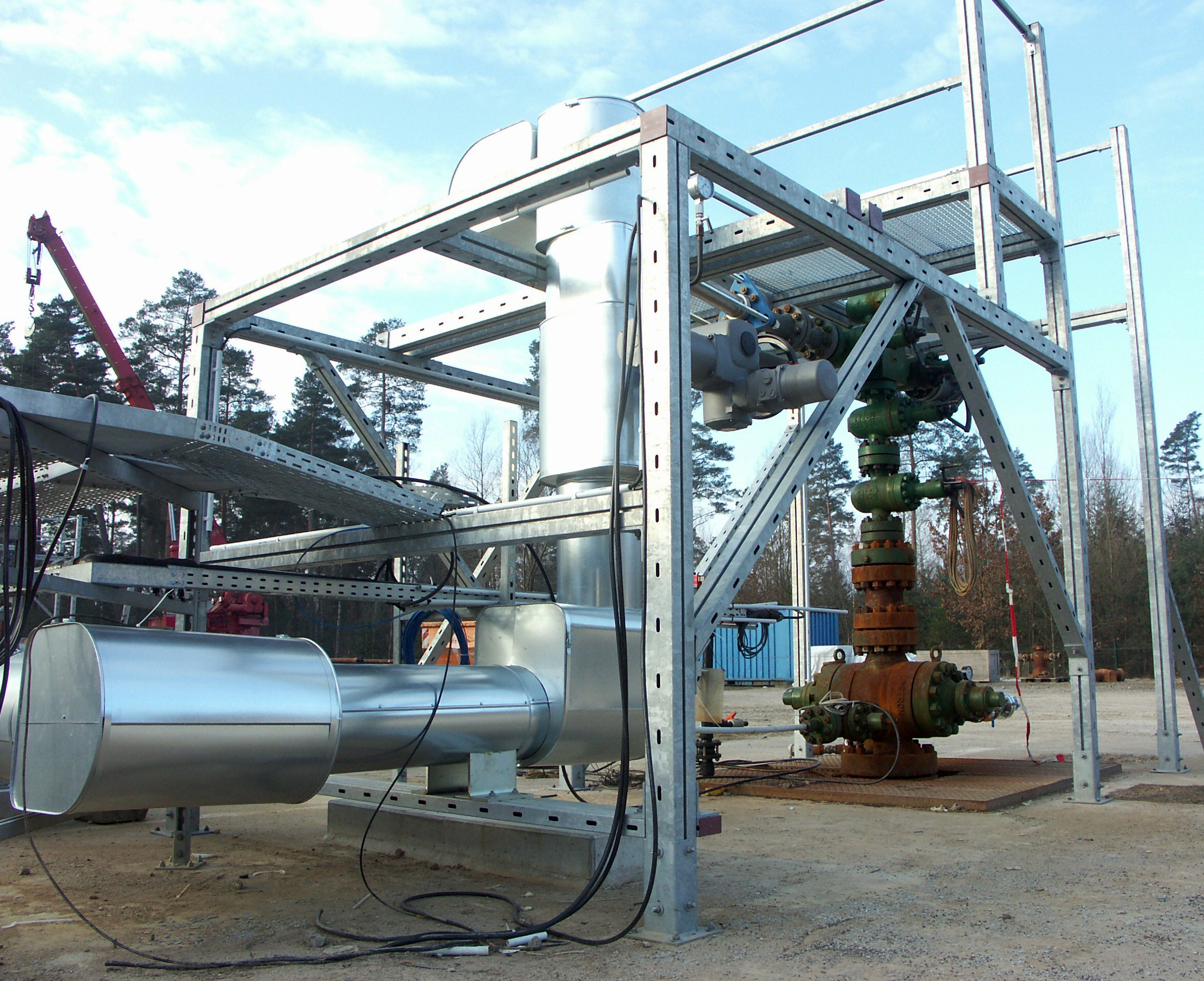
The Groß Schönebeck geothermal research platform is located 50 kilometres north-east of Berlin on the southern edge of the North German Basin. Two research wells open up horizons at depths of between 3.9 and 4.4 kilometres at temperatures of around …

Gravimetric Observatories

Since the early 1990s, GFZ has been operating superconducting gravimeters for high-precision, long-term stable and continuous monitoring of temporal gravity changes. These are the integral effects of all mass variations and deformations induced by a…

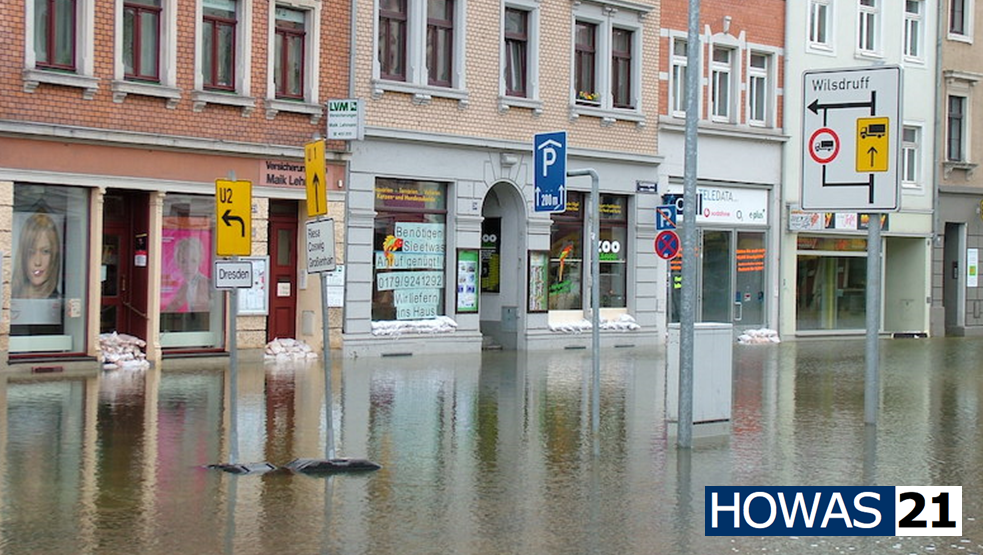
HOWAS 21 – Flood Damage Database for Germany

With the HOWAS 21 flood damage database, scientists at the GFZ German Research Centre for Geosciences have created a sound data basis for researching flood damage. This data is used to better understand how flood damage occurs and to assess the effe…

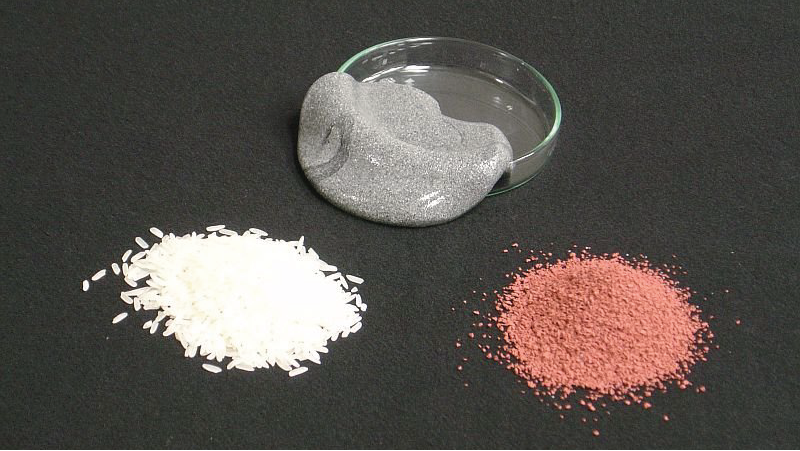
HelTec - Laboratory for experimental tectonics at the GFZ Helmholtz Centre for Geosciences

Experimental tectonics is the branch of geosciences that uses so-called "analogue models" scaled down from nature to the laboratory to study tectonic processes in situ. Thanks to new materials, testing methods and monitoring techniques, which have b…
High P and T Synthesis Laboratory

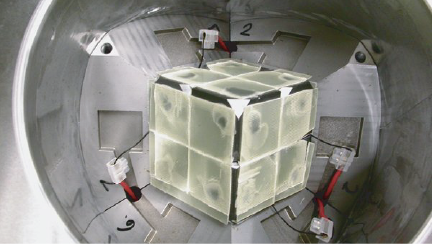
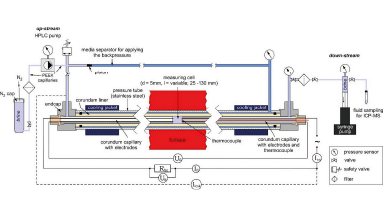
For high-P/high-T experiments, we offer various kinds of piston-cylinder- and multi-anvil presses, which are utilized for conditions ranging from the crust to the uppermost lower mantle. In detail, the High P and T Synthesis Laboratory includes the …

High-Temperature Fluid Measuring Cell

The High-Temperature Fluid Measuring Cell is a flow-through device that allows to measure the electrical conductivity of highly corrosive aqueous fluids in dependence of pressure and temperature. So far, the facility was used to study geothermal hig…

Hydro-geochemical Monitoring

Monitoring of geochemical and hydrochemical-physical parameters in the field

Portable Fluid-Monitoring System incl. flow-through cell „FluMini"

The portable fluid monitoring system has been developed for continuous in situ measurements of physico-ch…

Hydrogen Laboratory

For our research on hydrogen storage, we operate a dedicated, separate hydrogen laboratory. This laboratory provides an excellent infrastructure to perform geochemical experiments on fluids, rock samples and hydrogen under relevant pressure and temp…

ICDP International Continental Scientific Drilling Programme

The International Continental Scientific Drilling Program (ICDP) is a multinational program to further and fund geosciences in the field of Continental Scientific Drilling. Scientific drilling is a critical tool in understanding of Earth processes a…
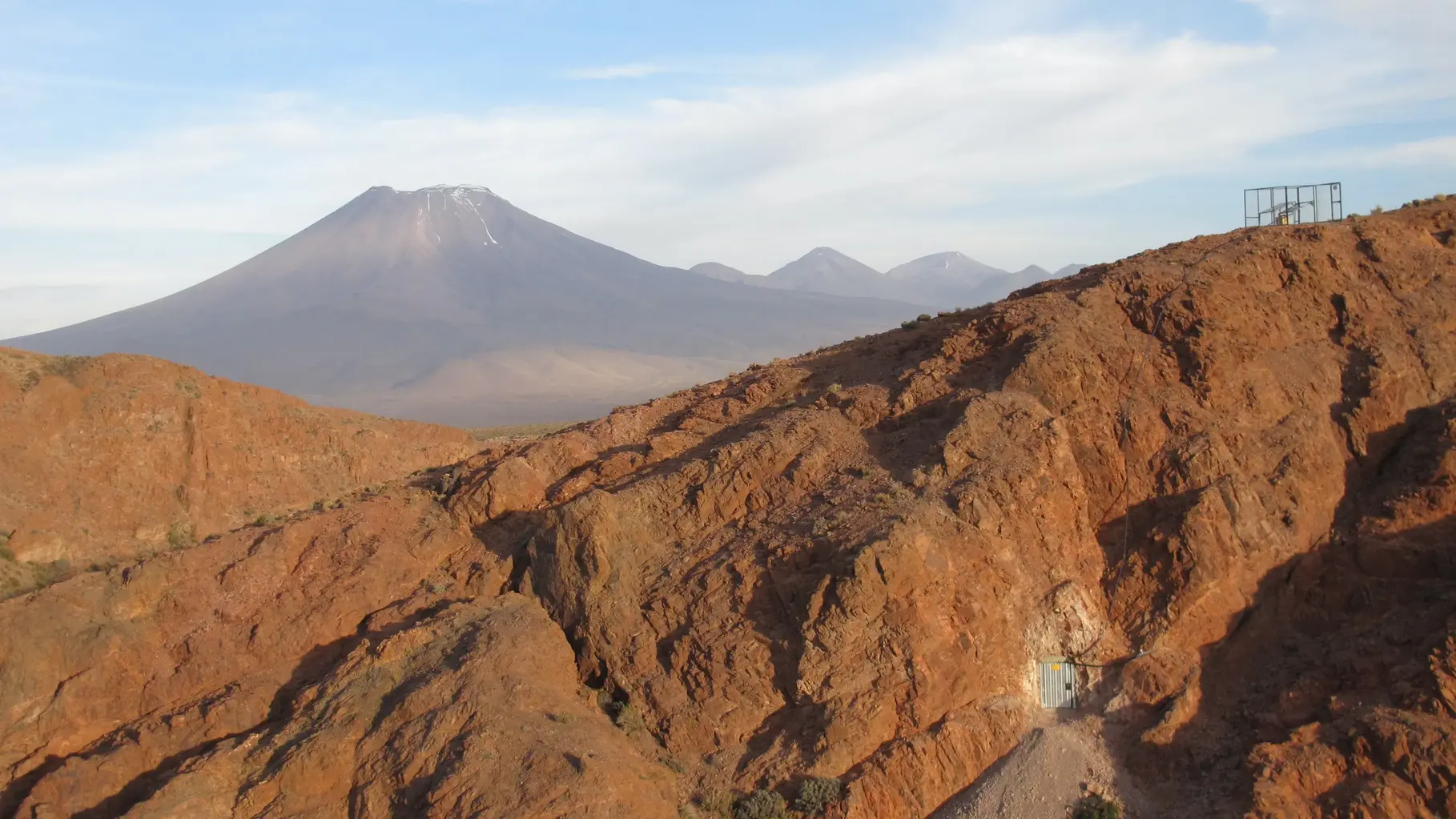
IPOC - Integrated Plate Boundary Observatory Chile

IPOC is an international network of institutions and scientists organising and operating a distributed system of instruments and projects dedicated to the study of the subduction system, its role in landscape evolution, and associated geohazards at …
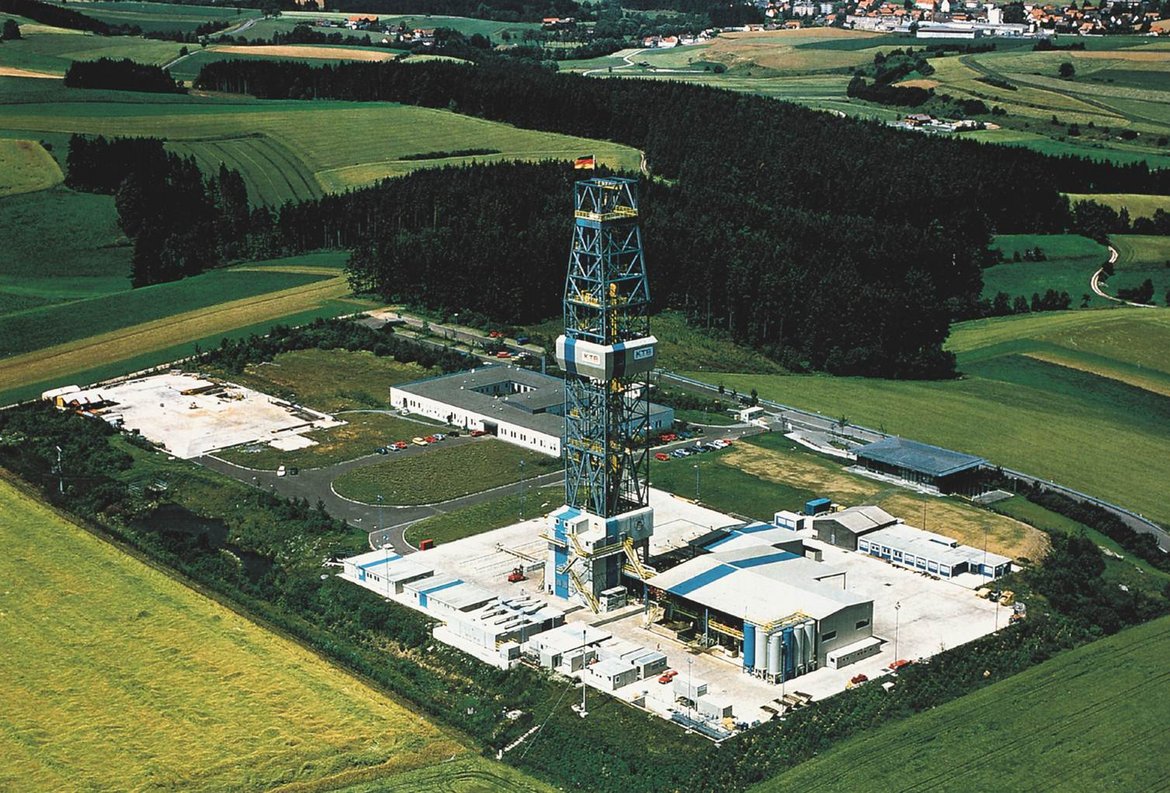
KTB - German Continental Scientific Deep Drilling Programme In Windischeschenbach, Germany (Kontinentale Tiefbohrung)

The Continental Deep Drilling Program of Germany (in German: Kontinentales Tiefbohrprogramm der Bundesrepublik Deutschland, abbreviated as KTB) was a scientific drilling project near the town of Windischeschenbach, Bavaria. The KTB Depth Laboratory …
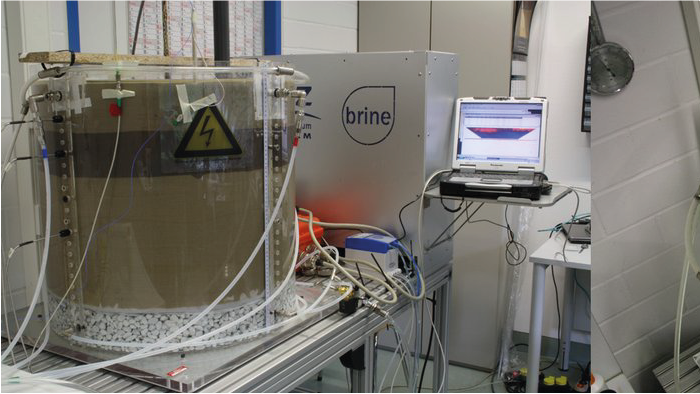
Laboratory Geoelectrics and Optoelectronics

The devices for geoelectric measurements include various tools such as a GeoTom, resistivity probes, non-polarizable probes and electrode cables of various lengths for surface and downhole application. A sandbox model (diameter and height 0.6 m) is …

Laboratory for Dendroclimatology

The Dendroclimatology Laboratory serves for the reconstruction of temporal and spatial variability of the climate of the past utilizing multi-parameter tree ring analysis.

Aims:

  • to reconstruct the temporal and spatial variability of the climate of…
Laboratory for Experimental Rock Physics

The focus of our research work results from the increasing use of underground space for geothermal energy extraction/storage and geological gas storage (CO₂, H₂). This requires not only the determination of petrophysical target parameters, but also …

Laboratory for Fluid Chemistry

In the laboratory for fluid chemistry, various devices are used to determine the chemical properties of geothermal fluids.

Laboratory for Fluid Physics

In the laboratory for fluid physics, various devices are used to determine the properties of geothermal fluids: density, viscosity, electrical conductivity, thermal conductivity, heat capacity, sonic velocity.

Laboratory for Microscopy

The Laboratory for Microscopy focuses on the specific requirements of microfacies analysis of lake sediments, but also offers a wide range of possibilities for other applications. Sedimentological, petrographic and microfacies analyses on all kinds …

Laboratory for Tephrochronology

Tephra, the Greek word for ash, is used to describe any material that is ejected by a volcano into the atmosphere (pyroclasts). Tephra includes dense blocks and bombs (> 64 mm), and lighter materials such as scoria, pumice and ash (< 2 mm). As one m…

Laboratory for Thin-section Preparation

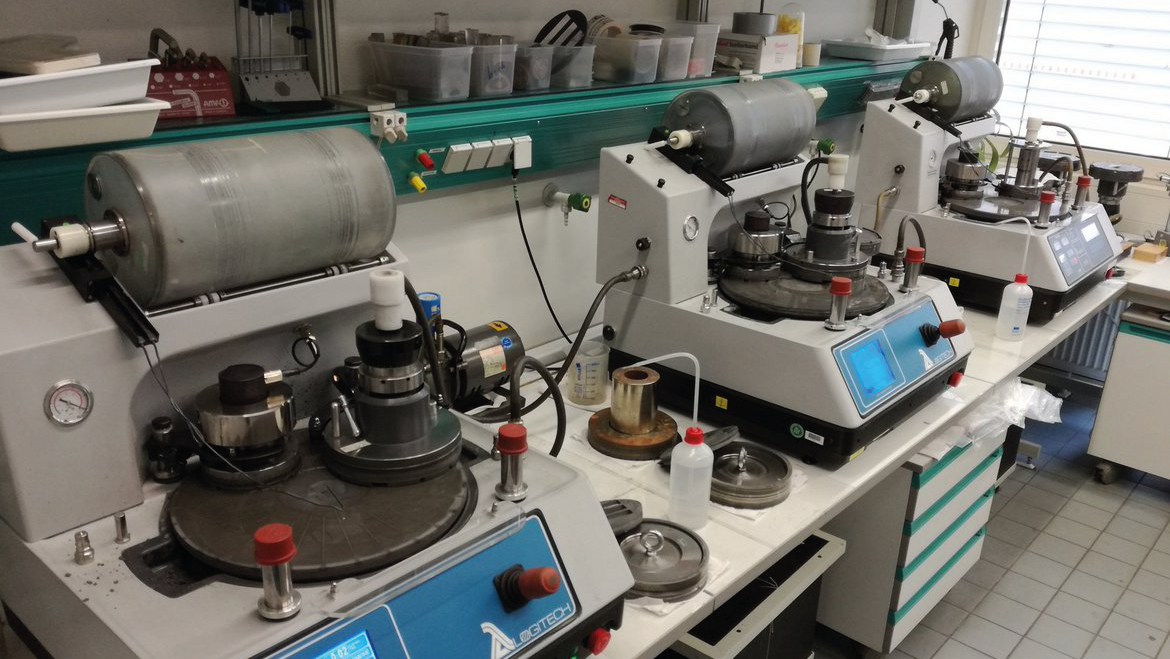
The laboratory for thin-section preparation is specialized in the preparation of thin sections of soft and unconsolidated lacustrine and marine sediments, soils, hygroscopic sediment samples such as salts and clays, and freeze cores, as well as of h…

Laboratory for XRF Element Scanning

The laboratory for XRF (X-ray Fluorescence) Element Scanning focusses on non-destructive and continuous core analyses. These analyses allow detailed geochemical characterisation of complete sediment cores down to individual layers and grains. Bridgi…

Mineral Separation Laboratory

The Mineral Separation laboratory is designed for performing chemical cleaning and purification of minerals. The fume hood in the lab is suitable for using hydrofluoric acid, in addition to other more commonly used acids. Four hot-dog rollers that s…

MuSPIS - Multiple Sample Production and Injection Simulator

The experimental task is to realize controlled long-term investigations on the permeability evolution of sedimentary rocks at simulated pressure- and temperature conditions pertinent to geothermal reservoirs.

Therefore, the investigations are perf…
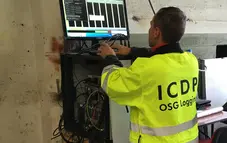
OSG ICDP | Operational Support Group of the International Continental Scientific Drilling Program

The Operational Support Group of the International Continental Scientific Drilling Program, ICDP, situated at GFZ, provides downhole logging services and access to utilize the ICDP instrument pool for PIs of successful ICDP proposals. ICDP is a prop…
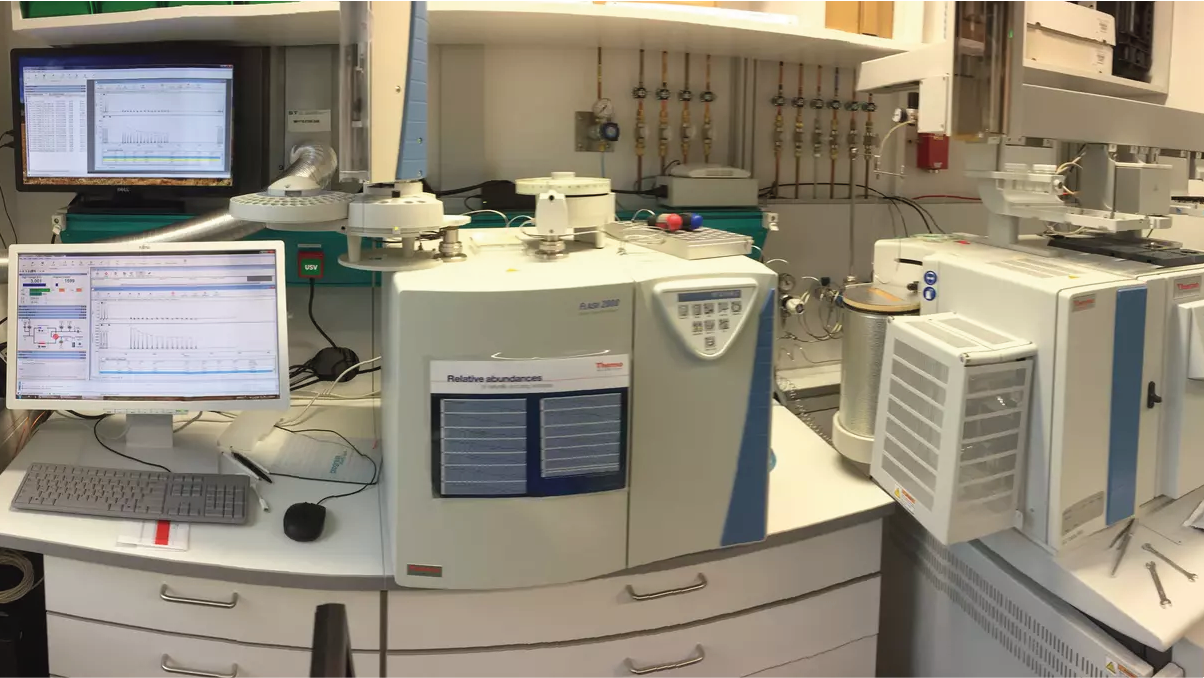
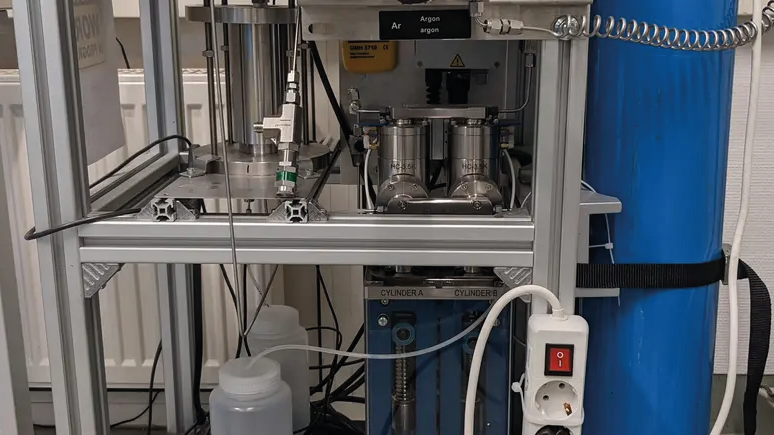
Organic Surface Geochemistry Laboratory

In the Organic Surface Geochemistry Lab (OSGLab) of the Geomorphology section, the smallest of molecules and isotopes open a door to the past. In the OSGLab we conduct research on regional differences of the causes and effects of past climate change…

Permeameter

One of the most important reservoir parameters is the permeability, which defines the ability of a liquid to flow through a porous medium. In our laboratories, we have various setups available to determine the permeability at different pT conditions…

Physical Laboratory

In the Physical Laboratory, experiments are performed to study mainly the interactions of sediment and water, but also measure rheological properties of sediment and prepare samples for further analysis in the other labs. In detail, the following re…

Piston Cylinder / Multi Anvil Press

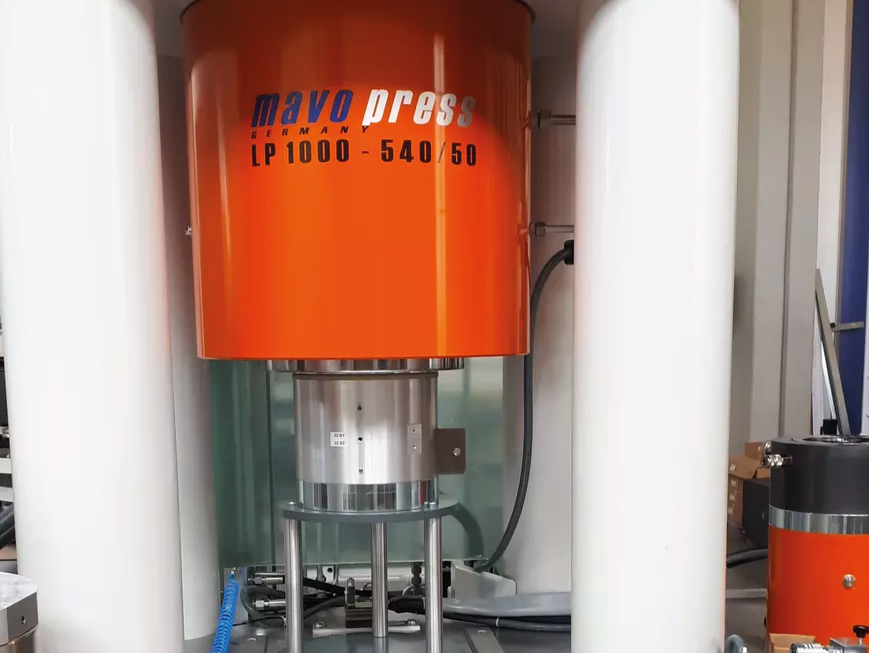
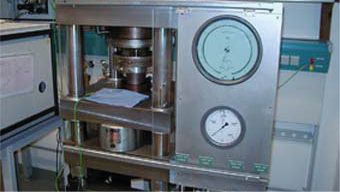
The static 1000 t laboratory press of Max Voggenreiter GmbH can be operated either with a Walker module as a multi anvil press or via a second hydraulic cylinder with a piston cylinder module (diameter 12.7 mm).

Piston Cylinder Press

To investigate the pressure/temperature regime of the Earth´s crust and shallow parts of the upper mantle, at the GFZ three piston cylinder presses are installed and run. Two of the three presses are non-endloaded piston cylinder apparatus ("Johanne…

Pore and Fracture Space Laboratory

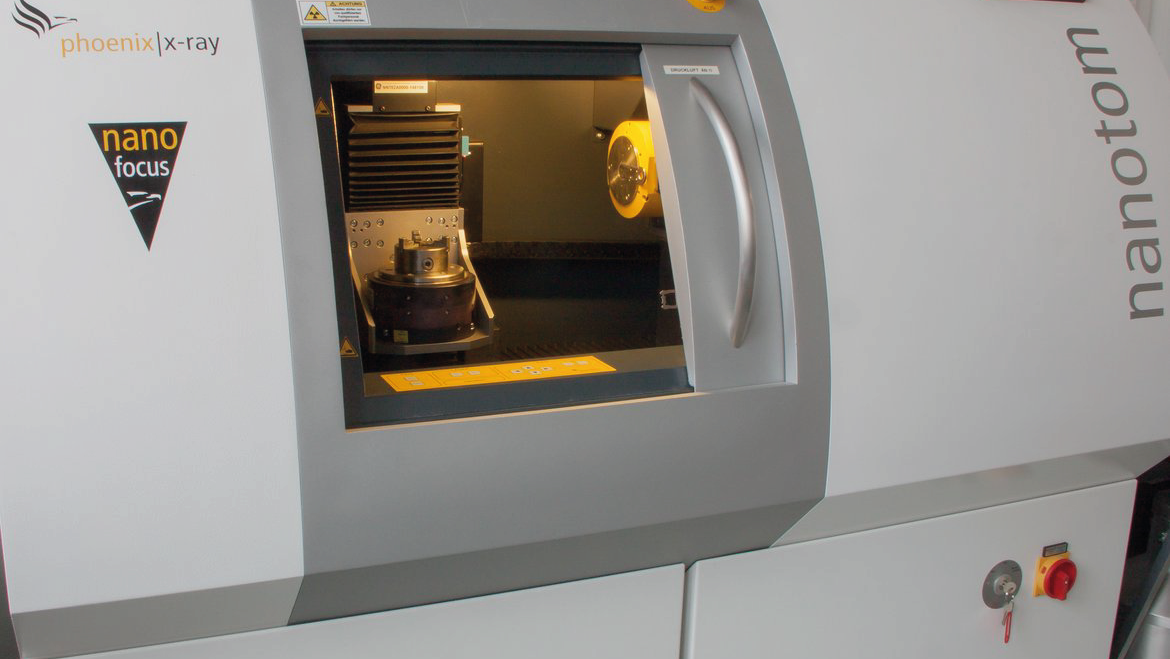
For characterization of pores and fractures within rocks the laboratory is equipped with an X-Ray computer tomography system (Nanotom CT), He-gas pycnometer (AccuPyc), Hg porosimeter (2000 WS), and a gas adsorption porosimeter (TS Surfer). For damag…

Precision Preparation Laboratory

The Precision and Rock Preparation Laboratory, together with the Central Workshop and the High Pressure Development Laboratory, provides essential service infrastructure for all experimental work at the GFZ. Test specimens made of solid rock and cer…

Rock Deformation Laboratory

Polyaxial High-pressure Test System (TrueTriax)

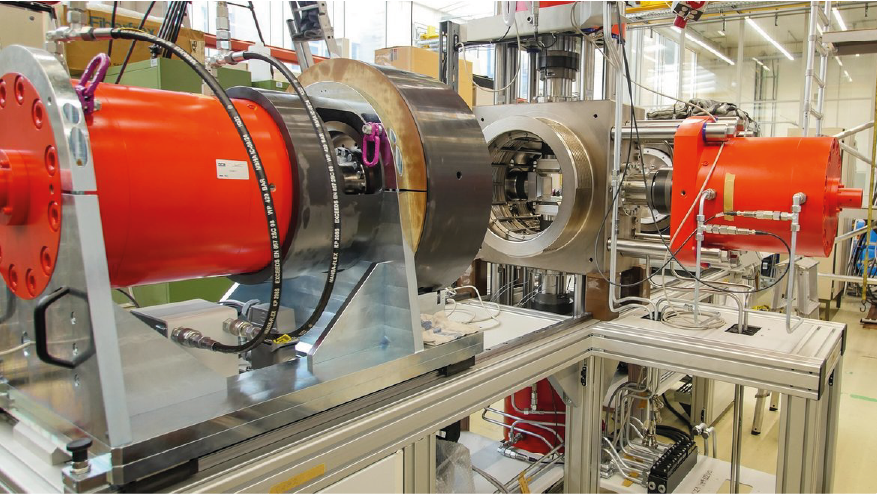
The grant from the Investment Bank of the State of Brandenburg (ILB No. 85053766) enabled the acquisition of a high-pressure, high-temperature 3D True Triaxial Press facility at the GFZ, which is to be…

Rotating Multi-Anvil Press

A Rotating Multi-Anvil Press constructed by Max Voggenreiter GmbH is installed in the high-pressure hall of the GFZ. The apparatus consists of an 800 tons hydraulic press and a Walker-type multi-anvil module. The whole apparatus is rotatable by 360°…

Sediment Laboratory (SedLab)

Tracking Earth surface processes through size and shape of sediment particles

In the SedLab, we analyse the compositional properties of sediments by measuring the full range of grain-size distributions from a few nanometers to centimeters and by det…

Soil Physics Lab

General applications in the soil physics lab comprise soil sample preparation, particle size analysis and estimation of soil moisture content.

Stable Isotope Laboratory for Sediments and Water

In the laboratories for stable isotopes in sediments and water, the isotope ratios of the light elements nitrogen (N), carbon (C) and oxygen (O) in continental geoarchives such as lake sediments and speleothems as well as oxygen (O) and hydrogen (H)…
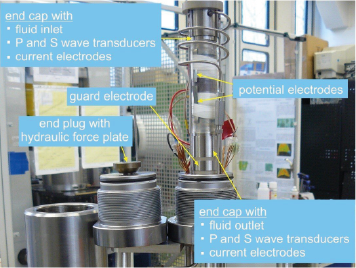
System for Experimental Petrophysics - SEPP

Measuring the physical properties of rocks under simulated in situ conditions in the laboratory is crucial for a comprehensive characterization of natural geological reservoirs. The long-term flow-through apparatus SEPP consists of a total of 6 temp…

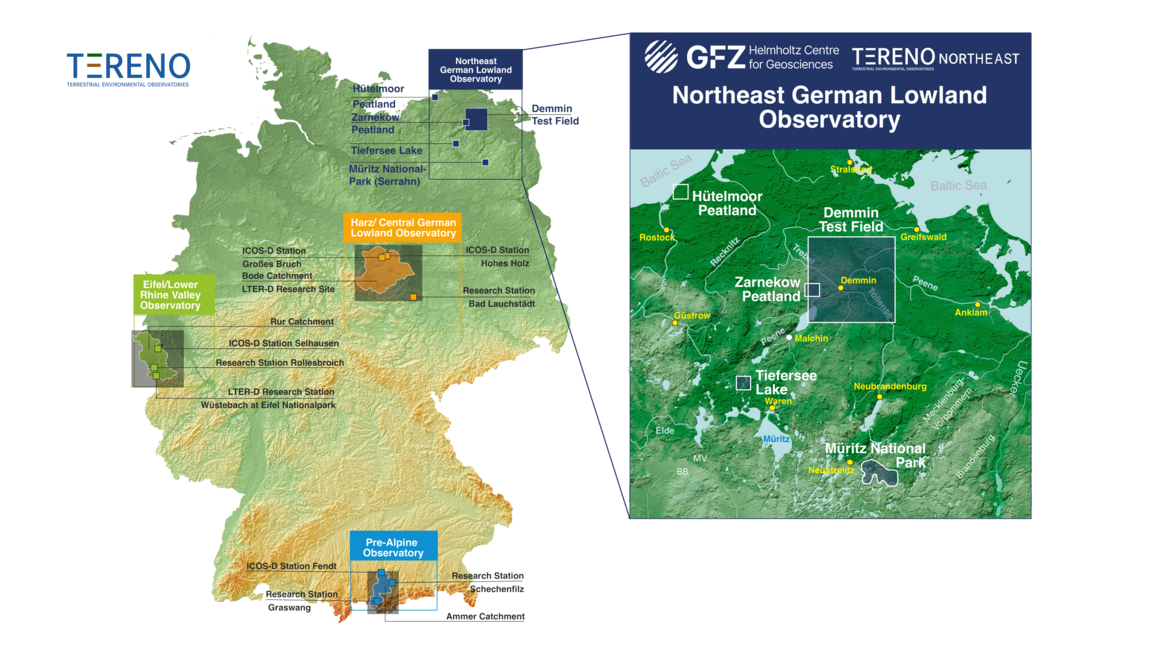
TERENO NE - Northeastern German Lowland Observatory

The Northeastern German Lowland observatory (TERENO-Northeast) is part of the Helmholtz Association`s interdisciplinary, long-term research network of Terrestrial Environmental Observatories - TERENO representing typical landscapes in Central Europ…
TESO - Taroko Earth Surface Observatory

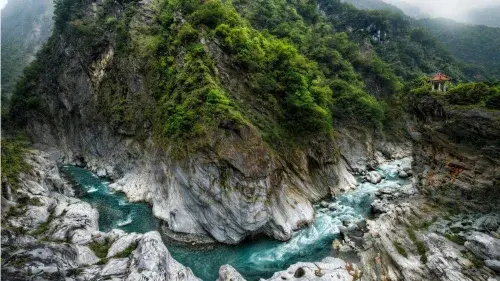
The observatory is a long-term monitoring site of Earth surface processes, solid, solute and gaseous matter fluxes and biogeochemical cycles and their drivers, straddling an active mountain landscape from orogen ridgepole to coastline. Set within a …

The KTB Deep Crustal Lab

During the KTB project (1987-1995) two deep boreholes were drilled, the so-called pilot hole (KTB-VB, 4 km) and the ultra deep main hole (KTB-HB, 9.1 km). Both wells are nearly completely cased. The VB is accessible to nearly bottom hole. At KTB is …

Thermal Petrophysics Lab

The Thermal Petrophysics Laboratory offers a wide range of measurement methods, primarily for determining the thermal properties of rocks and minerals.

In addition, mineralogical and other petrophysical parameters can be determined. The following pa…

VARDA - Varved Sediments Database

The Varved Sediments Database (VARDA) provides standardized proxy records from annually resolved lake archives. All proxy records offer full quantification of age-uncertainty from state of the art age-depth modeling routines. VARDA is a service prov…

X-Ray Diffraction Methods

For X-ray diffraction characterisation of solid materials, we hold two STOE STADI-P powder-X-ray diffractometers. Collected pattern are processed with the GSAS-software for Rietveld refinement.

For the crystallographic orientation of single crystals…

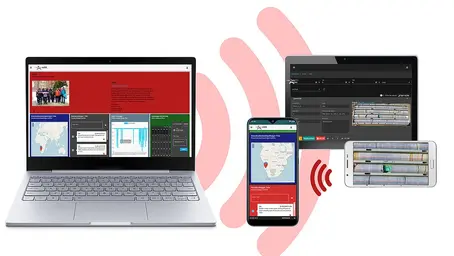
mDIS – mobile Drilling Information System

The mobile Drilling Information System (mDIS) is a database management application developed and provided by the International Continental Scientific Drilling Program (ICDP) for capturing and curating metadata on geological cores and samples, drilli…